News & Events
Episode 10: Sherri’s Story Part One
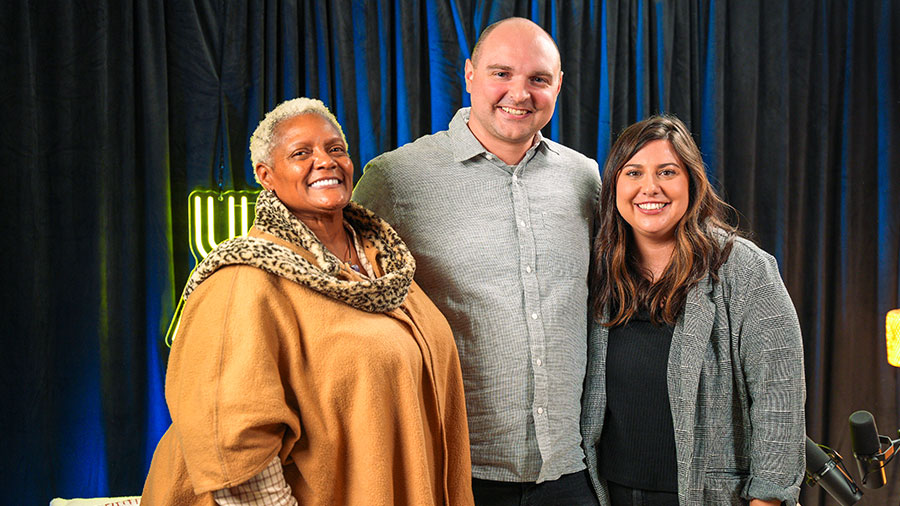
No Place to Run: Sherri’s Story, and the Links Between Motherhood, Abuse, and Homelessness
Hidden Pathways to Homelessness
For many women, the path to homelessness begins long before they lose their housing. It begins with trauma. In Episode 10 of Unseen Atlanta, we tragically see this play out in Sherri’s story—where she survives abuse, battles addiction, and makes the heartbreaking decision to give temporary custody of her children to protect them. For so many women like Sherri, domestic violence and motherhood intersect to create unique—and often invisible—pathways to homelessness.
The Overlap of Domestic Abuse and Homelessness
According to a study in the American Journal of Preventative Medicine, women who experience intimate partner violence are nearly four times as likely to report housing instability than those who don’t. Sherri is one of the people included in this shockingly high likelihood.
After she was abused and her children were threatened by her partner, Sherri fled to a domestic violence shelter, where she was met with horror at her situation. She says that the woman at the shelter “was screaming because [of] the way that I looked.” She told Sherri, “We have to take pictures… we have to call the police… for attempted murder.”
After this, and a long stretch of other abusive relationships, Sherri found herself constantly searching for home while trying to numb the pain of what happened to her. And this is not just her story. For hundreds of women, abuse strips away safety, autonomy, and access to resources. A lack of housing becomes collateral damage.
When Motherhood Meets Survival
It isn’t surprising that Sherri ended up experiencing homelessness – what else was she to do? She faced the worst possible ultimatum that so many face: stay in an abusive home to keep a roof over your kids’ heads, or bring them into a life of poverty and homelessness.
She had to make the heartbreaking decision to give temporary custody to her parents while she battled addiction and trauma. “I didn’t give them up,” she says, “I did the right thing as a mother.” To even have to make this decision is unimaginable, but it was what she had to do in the fallout of the violence they had all experienced.
For many women, motherhood becomes both a motivator and a complication in seeking help. Barriers often punish women in crisis, rather than supporting them.
Safe Recovery
Sherri’s story is not rare, but her survival is powerful. Domestic violence, single motherhood, addiction, and homelessness are often treated as separate struggles. More often than not, they are deeply connected, and should be treated together. In Sherri’s story, we see the waves of pain and suffering spiraling from abuse, leading to a heartbreaking situation. And Sherri’s voice – finally heard – speaks for countless women invisibly suffering, finding no way out of their trap.
What Can We Do?
Please join us for Part Two of Sherri’s story, coming soon, to see the light at the end of her story. In Part Two, we will dive into Atlanta Mission’s wraparound care, seeking to offer not just a place to sleep, but a path towards wholeness and home. Also, Sherri will tell her story of healing at My Sister’s House.
In the meantime, you can provide support to women like her with nowhere to turn. Please visit our website to find volunteer or donation opportunities to help more women escape the cycle, finding hope.
Thank you to our season sponsor, Scott Pryor Law Group