News & Events
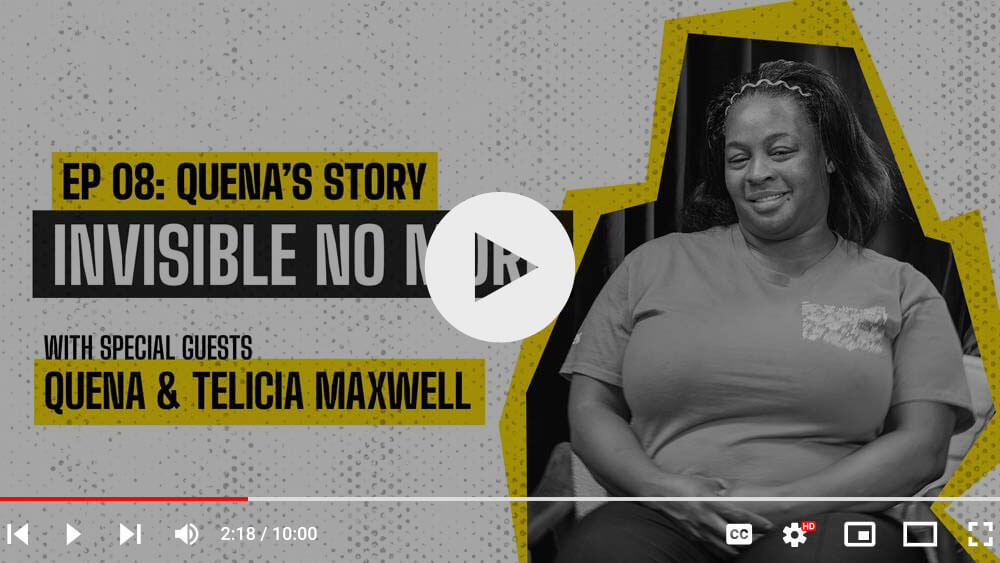
Episode 8: Quena’s Story
Unseen But Unbroken: Quena’s Journey Through Situational Homelessness
What happens when your world unravels not from one bad choice, but from a series of losses, circumstances out of your control, and the simple fact that no one stepped in when you needed them most?
This is situational homelessness.
Unlike chronic homelessness, which may be the result of long-term poverty or mental illness, situational homelessness often begins with trauma: the loss of a loved one, a sudden eviction, or escaping violence. It’s a crisis that can happen to anyone – and for Quena, it did.
A Childhood Interrupted
Quena’s story begins with love. Raised by her great-grandparents from just seven days old, she describes her early years as “amazing.” She was cherished, cared for, and spoiled by a family that stepped in when her parents couldn’t.
But that safe world shattered when her grandmother developed Alzheimer’s and the family dynamic turned volatile. At just 13, Quena left the only home she had ever known. Her new life was filled with instability: dropping out of school, caring for her sister’s children, and reeling from unspeakable trauma after being sexually assaulted. Not long after, both her grandmother and mother passed away.
“I felt abandoned by her,” Quena said of her mother. It was a cascade of heartbreak that left her unsupported, unprotected, and unseen.
Falling Through the Cracks
Without legal guardianship or adult support, Quena was placed in foster care. At 17, she was released and immediately stepped into the role of caretaker for her nephews—sacrificing her education and independence to protect them from the same fate she had faced.
From there, her life was marked by more loss and violence. A house fire, an abusive relationship, substance use to numb emotional pain, and a string of temporary living situations led her to a place she never thought she’d be: homeless.
“I walked the streets for about maybe two weeks,” she said. “I was staying back and forth… and I just walked straight.”
This is the hidden face of situational homelessness—a woman carrying years of trauma, caring for others while having no one to care for her.
A Turning Point at Restoration House
Her path began to shift when a pastor—who seemed to know everything about her without her saying a word—told her, “God told me to ask you… are you tired?”
She was.
He directed her to Restoration House, Atlanta Mission’s crisis stabilization campus for women. At first, Quena didn’t know if she’d get a bed. But she stayed. She waited. And when she was finally welcomed inside, something changed.
“I felt that God was really right there with me,” she said. “That I got somebody really looking over and praying for me… it was a big change for my life.”
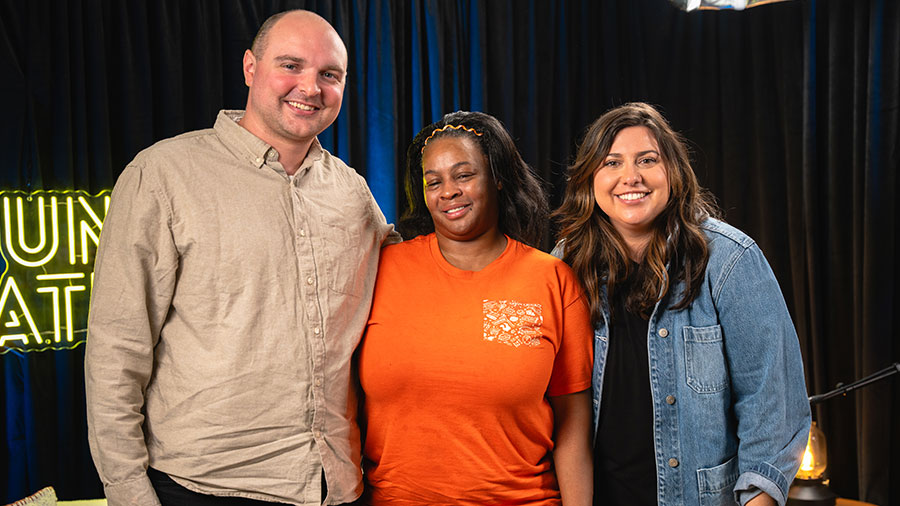
Telicia, the campus director at My Sister’s House, describes this part of the journey as critical. “Restoration House is our front door to the program,” she explains. “We want to provide them a safe space to just relax for a minute… You don’t necessarily have all the answers. You just know, I need to come inside.”
Doing the Hard Work at My Sister’s House
After 30 days at Restoration House, Quena transitioned to My Sister’s House, where the real work of healing began.
“I’m stubborn,” she admits. “I’m very arrogant. I have a lot of pride. So I had to change that.”
It wasn’t easy. She resisted recovery meetings. She clashed with her advocate. But with time, she learned to trust. Counseling sessions helped her unpack years of grief and resentment—especially toward her mother. She began writing letters to her, not for closure, but connection.
“I made her know that I do love her and I miss her,” she said. “It was just me talking from my heart to her.”
Telicia emphasizes how vital this support is for women like Quena. “They need people that believe in them… It’s a safe place to fall apart, to be rebuilt.”
Rediscovering Worth, Rebuilding Dreams
Today, Quena works at Popeye’s, where her coworkers check on her when she’s sick and surprise her with birthday gifts. She has goals: to get her own place, maybe become a mom one day. Most of all, she wants to give back.
“I want to be an addiction counselor,” she says. “I think I went through what I went through to help somebody else.”
Her story is a powerful reminder that situational homelessness isn’t about laziness or failure. It’s about what happens when life hits hard and no safety net is in place. And it’s about what can happen when someone finally sees you.
Why It Matters
Every day, Atlanta Mission works to provide safety, healing, and hope for women like Quena. But it takes more than a shelter—it takes community. It takes people like Telicia, who show up with compassion. It takes people like you, who listen, learn, and act.
“This isn’t the end,” Quena said. “God will continue to be with me through this transition. But you just have to trust him. You have to not give up.”
What Can You Do?
Volunteer, donate, or learn more at atlantamission.org. And listen to Quena’s full story on the Unseen Atlanta podcast—because every story matters, especially the ones we’ve never heard.
Thank you to our season sponsor, Scott Pryor Law Group