News & Events
THE LIGHT: August 2024
The Link Between Childhood Trauma and Addiction
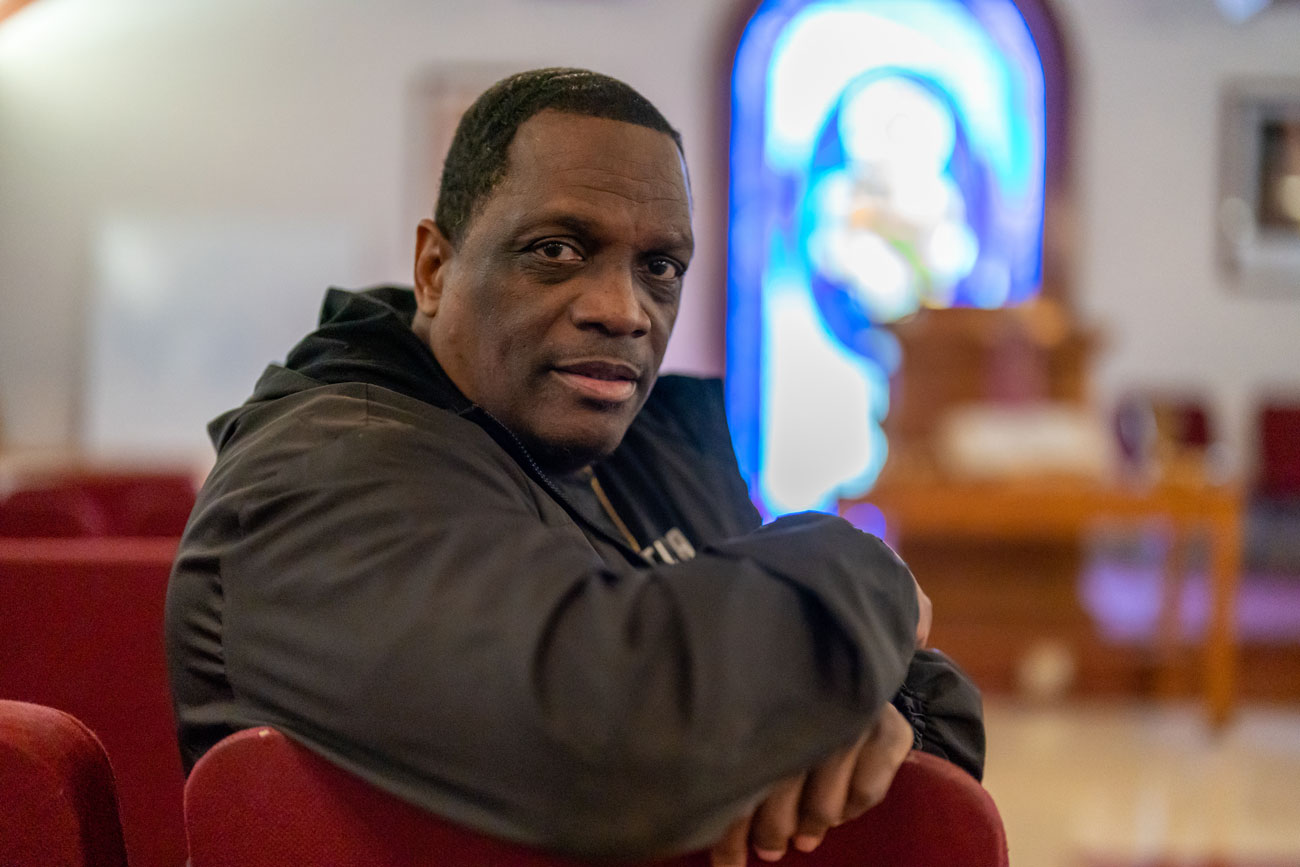
Johnny survived a childhood of abuse
“I’m currently 67 years of age. I lived in Atlanta since I was five. I come from a single parent household. My mom raised 10 kids on her own. In my early childhood, a series of events happened that changed my life. I was molested by an older woman and then later by my music teacher in school. After, I started acting out. I felt shame and guilt but wasn’t able to tell anyone about it.
“Then when I was 12 years of age, a man molested me. He was in a drunken stupor. Once he passed out and went to sleep, I went into our basement and got gasoline and set him on fire. People were able to come over and rescue him. But as a result, I had to be removed from my family and went to juvenile for nine months.”
Trauma leads to disconnection
“After I was released, my brothers and sisters were scared to be around me. I wasn’t invited to parties because people thought I had mental issues that would cause me to act out. This made me isolate a lot. It wasn’t long before I was introduced to drinking. At this particular time, my mom was active in her drinking too. As I grew older, I thought getting married would be my escape. I reconnected with one of my childhood sweethearts, and we did get married.”
Addiction takes hold
“During that time, I was introduced to cocaine. It gave me a euphoria that I had never experienced before. I knew from the first usage that it was my drug of choice. I dove in headfirst. As a result of my cocaine use, I wasn’t able to keep jobs. It got to a point where my wife and kids couldn’t take it anymore, and we divorced. Then things got real bad for me. I couldn’t keep a roof over my head, and I became homeless.”
The reality of homelessness
“I pretty much stayed wherever I could. I remember this one abandoned car I stayed in that was infested with rats. But because of my mental state, I let myself stay in those conditions for at least nine years.
“In the summertime, it was hot. And during the winter time, it was very cold. I had third-degree frostbite on my feet and got staph infections from not bathing and having the same clothes on for a long period of time. I had no self-worth. It wasn’t until a failed suicide attempt that I knew I had to do something different.”
Read on to discover the help Johnny received at Atlanta Mission.
“My lips will shout for joy, when I sing praises to you; my soul also, which you have redeemed.” — Psalm 71:23
A case for trauma-informed care
The hope of lasting recovery draws nearer and nearer the more we lean into trauma-informed care.
In the last few decades, research has confirmed the connection between traumatic encounters in childhood and addictive behaviors in adulthood. One of the most notable research studies is called Adverse Childhood Experiences (ACEs).
ACEs refer to a range of negative situations children under the age of 18 may face. It’s found that as the number of ACEs increases, so does the risk of drug or alcohol use in adulthood.
Adults with four or more ACEs are three times more likely to engage in substance abuse.
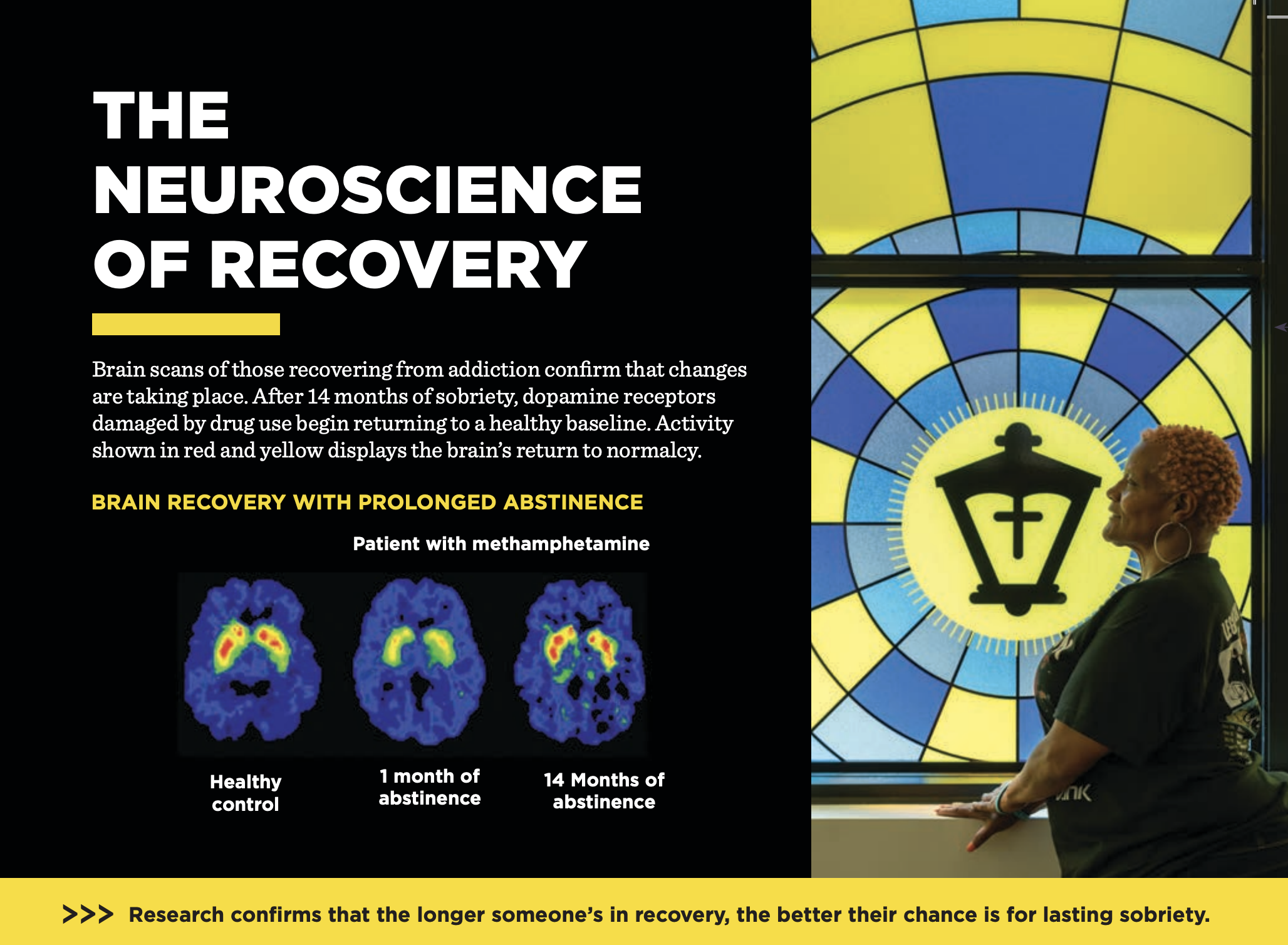
Research shows that individuals with higher ACE scores tend to be more emotionally reactive, perceiving threats in what others view as neutral. Trauma can lead to a deregulated stress system, increasing vulnerability to addiction. For this reason, a trauma-informed approach in recovery is crucial.

At Atlanta Mission, men are in recovery at The Potter’s House (in Jefferson, GA) and women receive addiction treatment at My Sister’s House (in West Midtown). They work with a team of trained professionals who treat the root causes of their trauma. Clients in Addiction Recovery receive:
- Substance assessment
- Up to 52 weeks of recovery classes
- Individual counseling sessions
- 12-Step program
- Holistic wellness plan
- Relapse plan
- Sponsor support
- At least three support group meetings a week
- Consistent drug screens
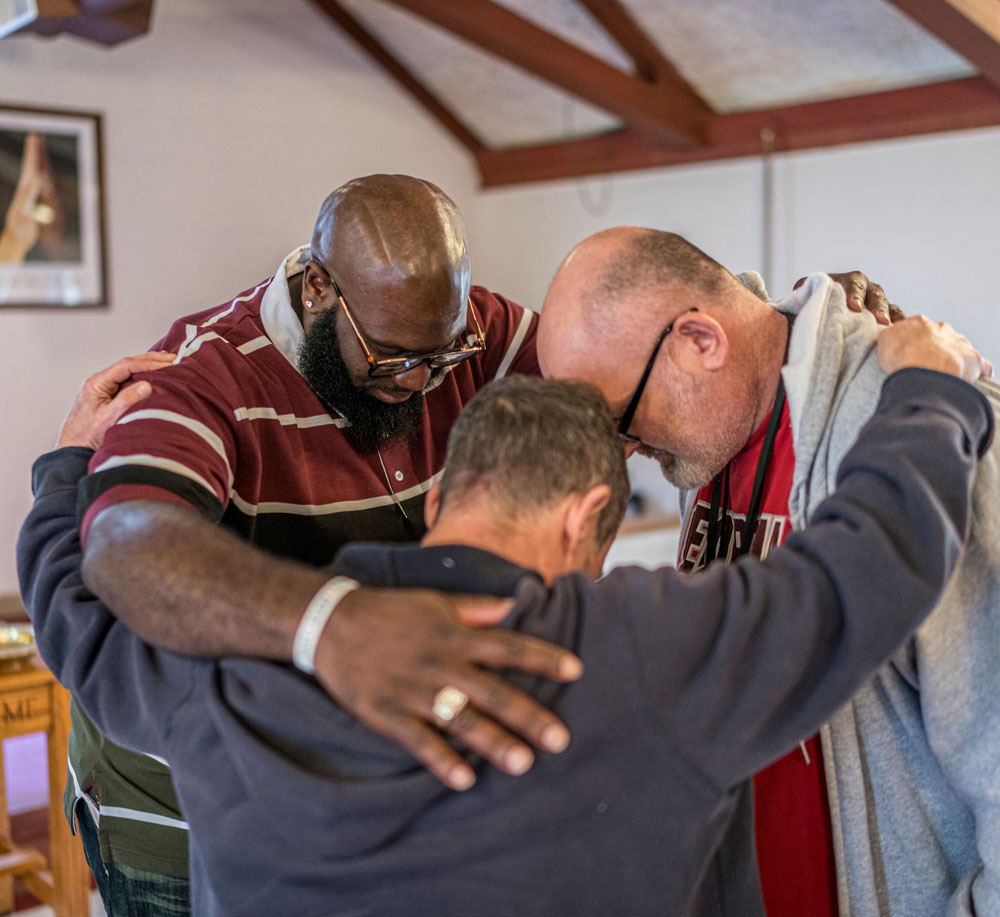
You can invite neighbors into wholeness
When a member of our community is struggling with homelessness or addiction—feeling disconnected from themselves and others—the impact can ripple across our community.
Today, you have an opportunity to invite struggling men and women into recovery. Once at Atlanta Mission, they are surrounded with safety and support to heal and change.
Through trauma-informed care and a loving, professional team, people who have lost their way can get back on track. They can reclaim their purpose. They can restore their sense of worth. Your gift today will meet these precious individuals right where they’re at. Your partnership will address their immediate needs, starting with a place to sleep, a warm meal, and a listening ear.