News & Events
How Churches and Small Groups Can Support Men in Addiction Recovery in Georgia
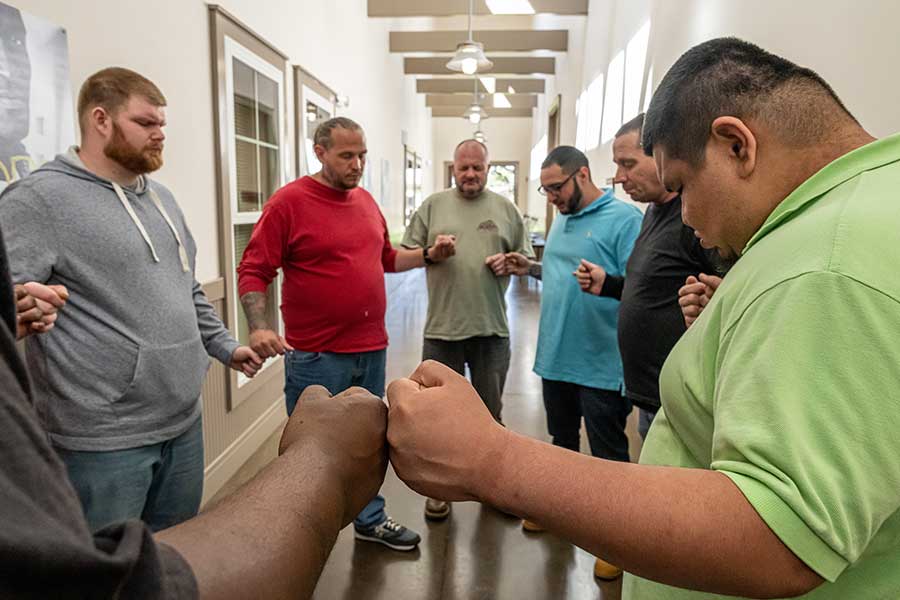
Churches and small groups can support men in addiction recovery through coordinated service, prayer, practical donations, and commitments they can sustain over time.
The first step is to ask where help is needed. A church may have enthusiastic volunteers, teaching experience, or resources to share, but those gifts are most useful when they fit the recovery program’s priorities.
At The Potter’s House, Atlanta Mission’s Christian residential recovery program for men, churches can explore several ways to become involved.
Begin with a conversation about current needs
Before announcing a project, choose one person to contact the volunteer team.
Share your group’s size, availability, interests, and budget. Explain whether you are considering a single activity or hoping to establish a recurring commitment.
The Potter’s House works with churches and other organizations to develop suitable group volunteer opportunities. Starting with that conversation helps your group plan around an actual need rather than arriving with an activity staff must find a way to accommodate.
For a small group, a manageable first project is often a useful way to learn how the partnership works.
Create opportunities to spend time together
A group activity can give volunteers and residents a shared experience without requiring anyone to discuss personal parts of their recovery.
The Potter’s House welcomes proposals for activities such as game nights, cookouts, and sports events. Christian groups can also ask about leading music and prayer or participating in graduation celebrations.
Choose an activity your group can prepare well. Agree on who will coordinate supplies, communicate with staff, and make sure volunteers understand their roles.
Leave room to participate alongside residents. The purpose of gathering is better served when volunteers are engaged in the activity rather than focused only on running it.
Organize a donation drive with a clear purpose
Before collecting anything, decide which kind of donation your group intends to provide.
A drive for items residents currently need should follow the program’s current requests. A thrift-store collection should follow the stores’ acceptance guidelines. Keeping those purposes clear helps donors contribute appropriate goods.
For client supplies, explore donation drives and kit-building opportunities. The team can provide current information to help your group plan.
For gently used goods, review Atlanta Mission’s thrift-store donation guidelines before promoting the collection. Confirm accepted items and arrange delivery with the receiving location.
Give your congregation specific instructions, a collection deadline, and a named coordinator. Those details make participation easier and help avoid collecting items the ministry cannot use.
Make prayer an ongoing commitment
Prayer can be part of your group’s involvement before, during, and after a service project.
Ask the team what prayer requests may be shared, and respect the privacy of residents and staff. Your group does not need personal histories to pray thoughtfully for people doing difficult work.
The Potter’s House also offers a Campus Team with areas such as prayer and church and community relations. Churches interested in deeper involvement can ask what those commitments require.
Review what your group can sustain
After your first project, take time to discuss what worked.
Did the activity meet the intended need? Was the time commitment realistic? Did your group communicate well with staff? What would you change before returning?
Use those answers to decide on a next step. That might mean repeating one activity, organizing a seasonal collection, or exploring a longer commitment.
A church does not need to offer every kind of support at once. Begin with a useful contribution, follow through on it, and allow the relationship to develop through consistent communication and service.
If you or someone you care about needs help overcoming addiction, contact Atlanta Mission to learn more about our recovery program at The Potter’s House.